

 See My Latest Article on HelloNation
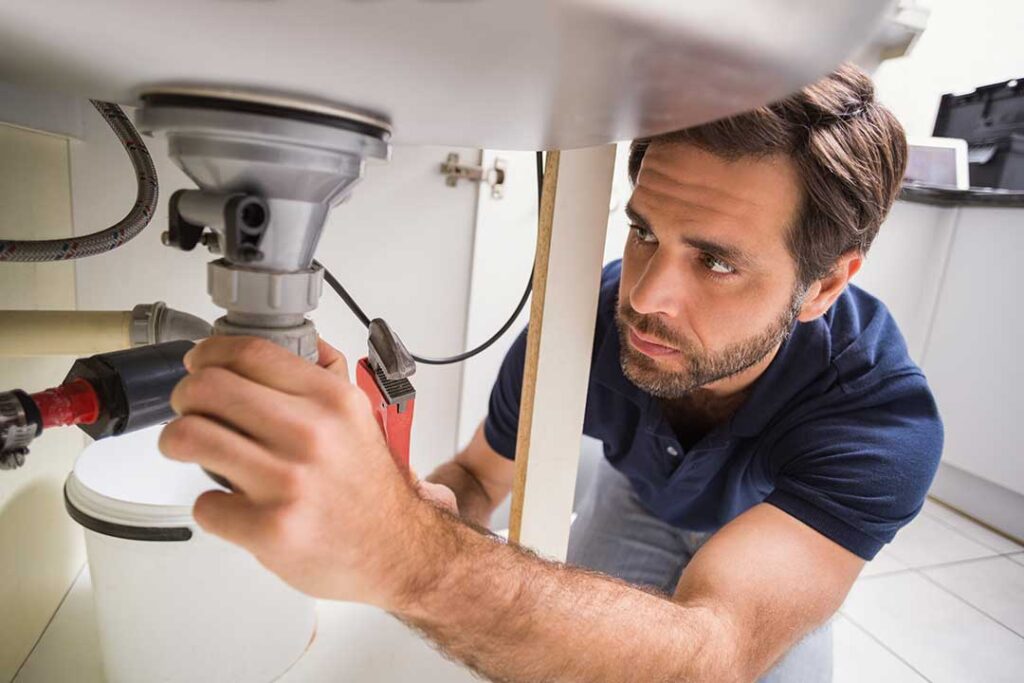
Frozen plumbing can become a burst-pipe emergency quickly, especially during a prolonged cold snap or a power outage. If water flow suddenly stops, a faucet produces only a trickle, or an exposed pipe feels unusually cold, act promptly but avoid unsafe thawing methods.
What should you do first if a pipe may be frozen?
Start by opening the affected faucet slightly, then locate the frozen section and check for signs of leaking. If water is leaking, a pipe has split, or you hear running water behind a wall, shut off the home’s main water valve immediately.
The main shutoff is commonly near the water meter, where the water line enters the home. Every household should know its location before winter arrives. Turning off the supply limits flooding if the pipe breaks as the ice melts.
After shutting off the water:
- Turn off electricity to areas where water is present, but only if the electrical panel can be reached safely without standing in water.
- Move furniture, rugs, electronics, and other belongings away from the leak.
- Open faucets to relieve pressure in the plumbing system.
- Photograph visible damage for insurance records.
- If water is entering ceilings, walls, or electrical fixtures, leave the area and seek emergency assistance.
A frozen pipe is not always visibly damaged. Ice may block the water, while pressure builds between the frozen section and a closed faucet. The pipe may begin leaking only after thawing starts.
How can you tell where a pipe is frozen?
A frozen pipe often causes reduced flow or no water from one fixture while other fixtures still work. The problem is more likely to be local if only one bathroom, sink, or outdoor line is affected.
Check common cold spots such as:
- Pipes along exterior walls
- Unheated basements, crawl spaces, garages, and attics
- Plumbing beneath kitchen or bathroom sinks
- Areas near foundation walls or poorly sealed windows
- Pipes passing through rim joists or other drafty openings
- Exterior hose connections and indoor shutoff valves
In older homes, additions, enclosed porches, and remodeled spaces may have plumbing routed through areas that were not originally designed to stay warm. Homes near the shoreline or in exposed locations may also experience stronger wind exposure, which can make poorly insulated areas colder than the indoor thermostat suggests.
Look for frost, condensation, bulging, cracked pipe surfaces, or a section that feels much colder than the surrounding line. Do not remove wall coverings or insulation aggressively while searching. A concealed leak can spread water into framing and finished surfaces.
How should a frozen pipe be thawed?
Thaw a suspected frozen pipe gradually with warm air, not an open flame. A hair dryer, portable heating device used according to its instructions, or warm towels may help if the area is dry and accessible.
Keep the affected faucet open while thawing. This gives expanding water a place to escape and provides an immediate indication that flow is returning.
Use these precautions:
- Work from the faucet toward the frozen area.
- Warm the pipe evenly rather than concentrating intense heat in one spot.
- Keep electrical devices away from standing water.
- Never use a torch, lighter, candle, charcoal heater, or other flame.
- Do not pour boiling water onto a cold pipe.
- Remain present while using any temporary heating device.
Open flames can ignite nearby materials or damage the pipe. Excessive heat can also split plastic fittings or create a sudden failure in a weakened section.
If the frozen pipe is inside a wall, ceiling, crawl space, or other inaccessible area, safe thawing may not be practical. The same applies if the pipe is already cracked, visibly bulging, or leaking. In those situations, water should remain shut off until the hazardous condition is addressed.
What if the pipe bursts while it is thawing?
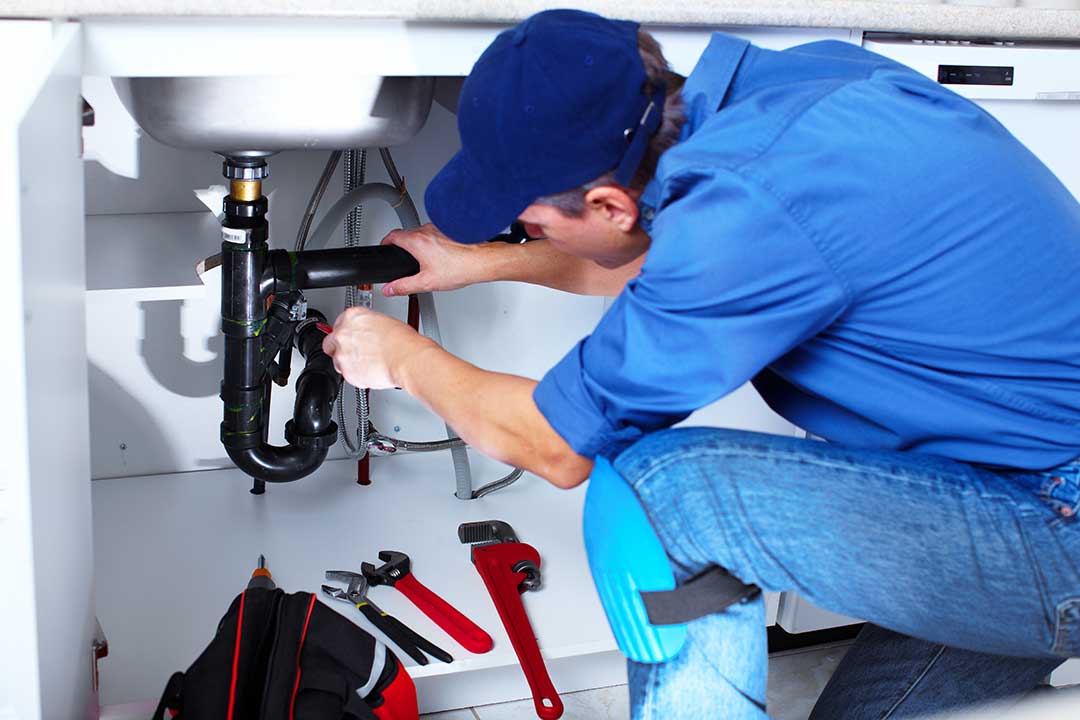
If a pipe bursts, shut off the main water valve immediately. If the leak is limited to a fixture with a local shutoff valve, that valve may stop the flow without interrupting water to the rest of the home.
Once the water is off, remove standing water if it can be done safely. Wet drywall, insulation, flooring, and cabinets can continue absorbing moisture long after the visible leak stops. Prompt drying helps limit structural damage and mold growth.
Avoid entering water near outlets, appliances, extension cords, or electrical equipment. Do not use electrical fans or pumps in wet areas unless the power source and equipment are specifically safe for the conditions.
A burst pipe may damage areas that are not directly beneath the break. Water can travel along joists, behind walls, and through insulation. Check nearby rooms, lower levels, closets, and ceilings for staining, sagging, dampness, or unusual sounds.
Insurance coverage for frozen-pipe damage depends on the policy and on whether the home was adequately heated and maintained. Keep records of the damage, emergency steps, receipts, and any temporary repairs.
Should the heat be turned up during a freeze?
Maintaining steady indoor heat is safer than allowing the home to cool sharply overnight. During severe weather or a power outage, keep interior doors open where practical so warm air can reach vulnerable plumbing.
Cabinet doors beneath sinks can be opened to let heated air circulate around pipes, particularly where the sink is installed against an exterior wall. Do not leave cabinet doors open if young children or pets could reach hazardous cleaning products.
If the heating system fails, use only approved heating equipment and follow fire-safety instructions. Never use an oven, grill, outdoor heater, or fuel-burning appliance to heat the home. These can cause fires or carbon monoxide poisoning.
During an extended outage, check exposed plumbing periodically. If the home cannot be kept warm and freezing conditions will continue, the water system may need to be shut off and drained. This is more involved than simply turning off a faucet and may include the water heater, toilets, supply lines, and drain traps.
How can households prevent frozen pipes next winter?
Prevention is easier than emergency thawing. Before the coldest weather arrives:
- Insulate exposed hot and cold water lines.
- Seal drafts around foundation openings, windows, doors, and pipe penetrations.
- Disconnect, drain, and shut off outdoor hoses.
- Protect exterior hose bibs and indoor shutoff areas from cold drafts.
- Keep the thermostat at a consistent temperature, including when away.
- Ask someone to check the home during extended travel.
- Know the location and operation of the main water shutoff.
- Consider a low-temperature alarm or water-leak sensor in vulnerable areas.
A small, controlled trickle from a faucet may help protect plumbing during extreme cold, but it is not a substitute for insulation, adequate heat, and sealing drafts. If a home will be unoccupied during a freezing period, its plumbing should be winterized appropriately rather than relying on a faucet left running.
For households in Westport, preparation is especially useful before forecasted cold waves, ice storms, and outages. A few minutes spent locating the shutoff valve and inspecting exposed plumbing can reduce confusion if water flow changes suddenly in the middle of the night.