

 See My Latest Article on HelloNation
How often should a residential plumbing system be checked?
Most homes benefit from a quick plumbing check once a month, a more thorough review twice a year, and preventive maintenance at least annually. Homes with older pipes, a private well, a septic system, frequent occupants, or a history of leaks may need closer attention.
A plumbing check does not require taking apart pipes or testing every fixture. It usually means looking for small changes before they become water damage, loss of hot water, sewer trouble, or a frozen pipe emergency.
For households in Westport, seasonal checks are especially useful. Freezing weather can affect exposed plumbing, outdoor hose connections, water meters, and pipes located in unheated basements, crawl spaces, garages, or exterior walls.
What should you check every month?
A monthly inspection can take 10 to 15 minutes. Walk through the kitchen, bathrooms, laundry area, basement, and any utility space containing plumbing equipment.
Look for:
- Drips beneath sinks or around supply-line connections
- Damp cabinet bottoms, warped flooring, or swollen trim
- Water collecting near toilets, washing machines, dishwashers, or refrigerators with water connections
- Faucets that continue dripping after being shut off
- Toilets that run, refill by themselves, or require repeated handle movement
- Slow drains, gurgling sounds, or unpleasant odors
- Unusual noises when water is not being used
- Rust, mineral deposits, or corrosion around valves and pipe joints
Also check the water meter when every fixture and appliance is turned off. If the meter continues to register water use, the home may have a hidden leak. A running toilet, underground service-line leak, or pipe leak inside a wall can waste water without producing an obvious puddle.
A sudden increase in water use is another warning sign, particularly if household routines have not changed.
When should plumbing be checked seasonally?
A seasonal review is useful in spring and fall. Each season presents different risks.
Fall preparation
Before sustained freezing weather, check outdoor faucets and hose connections. Remove hoses, confirm that exterior faucets are not dripping, and make sure exposed piping is protected where appropriate.
Inside the home, identify pipes near exterior walls and in unheated areas. Make sure those spaces are not blocked from household heat by stored items, insulation problems, or closed vents.
It is also wise to locate the main water shutoff valve before winter arrives. The valve should be accessible, clearly identified, and easy for household members to operate in an emergency.
Spring review
After winter, inspect areas that may have been exposed to freezing temperatures. Look for small cracks, damp insulation, stains, or slow leaks near outdoor faucets, basement ceilings, crawl spaces, and utility rooms.
A pipe can suffer damage during freezing weather and begin leaking only after temperatures rise and water pressure returns. A spring review may reveal a problem before moisture causes rot, mold growth, or damage to finished surfaces.
Heavy rain and saturated ground can also expose drainage or sump-pump weaknesses. Check that floor drains are clear, sump equipment operates properly, and basement plumbing shows no signs of backup or seepage.
How often should the water heater be checked?
The water heater should receive a visual inspection every few months and maintenance based on the equipment manufacturer’s instructions. At minimum, look for leaks, rust, corrosion, damaged insulation, loose connections, or water around the base.
A storage-tank water heater may need periodic flushing to reduce sediment buildup. Sediment can lower efficiency, create popping or rumbling sounds, and reduce available hot water. However, flushing an older tank can sometimes reveal or worsen an existing weakness, so the unit’s age and condition matter.
The temperature and pressure relief valve is a safety component. It should not be blocked, capped, or connected to a pipe that terminates improperly. Testing or replacing this valve can involve hot water and pressure, so it may require a licensed plumber when the component is difficult to access or appears corroded.
Tankless water heaters have different maintenance needs. Mineral buildup may affect performance, particularly in homes with hard water or high hot-water use. Follow the manufacturer’s service interval rather than applying storage-tank maintenance procedures.
Do older Westport homes need more frequent inspections?
Older homes often benefit from more frequent checks because plumbing materials, valves, drainage connections, and supply lines may have been repaired or modified at different times.
A home does not need to be inspected constantly simply because it is older. However, an annual review becomes more valuable when there are signs such as:
- Low or fluctuating water pressure
- Discolored water after the tap runs
- Repeated drain clogs
- Sewer odors
- Pipe banging or vibrating
- Visible galvanized, lead, cast-iron, or heavily corroded piping
- Water stains that return after being cleaned
- Previous leaks behind walls or under floors
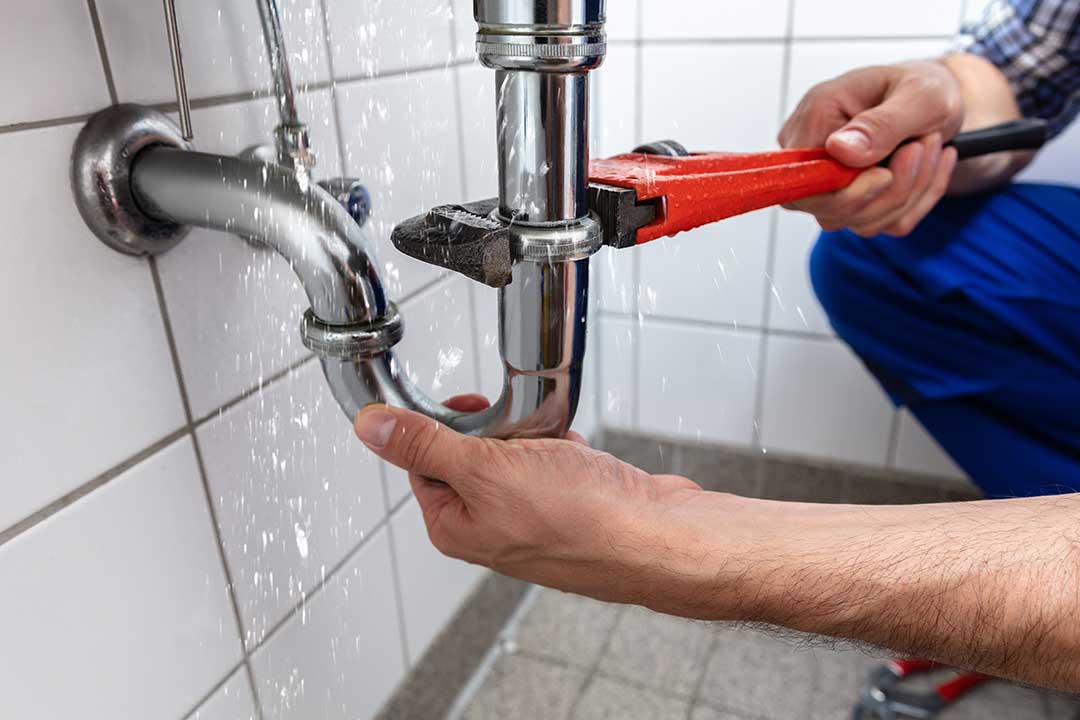
Renovations can also create hidden risks. A bathroom or kitchen remodel may leave older shutoff valves, mixed pipe materials, undersized drains, or inaccessible connections behind finished surfaces. Those areas deserve attention whenever cabinets, flooring, or walls are opened for another reason.
How often should drains and sewer lines be checked?
Drains should be observed continuously rather than cleaned on an arbitrary schedule. A slow drain that repeatedly improves and then clogs again may indicate a deeper restriction, not just a small amount of hair or food debris.
Avoid relying on chemical drain cleaners as routine maintenance. They may damage some piping, create hazardous splashback, and fail to remove the underlying obstruction.
A sewer-line inspection is generally considered when a home has recurring backups, multiple slow drains, sewage odors, unusually lush or wet ground over a buried line, or a history of root intrusion. It may also be sensible before purchasing an older home or when substantial landscaping, additions, or plumbing renovations are planned.
Homes with septic systems have additional maintenance needs. Pumping frequency depends on tank size, household occupancy, water use, solids accumulation, and whether a garbage disposal is used. The system should be evaluated sooner if drains back up, toilets gurgle, sewage odors appear, or wastewater surfaces near the drain field.
What should you check before leaving a home vacant?
Before leaving for more than a few days, inspect for active leaks and confirm that the heating system will maintain safe indoor temperatures during cold weather.
For longer absences, especially during winter:
- Know where the main water shutoff is located
- Consider shutting off the home’s water supply if appropriate
- Keep heat operating in all areas containing plumbing
- Open cabinet doors beneath sinks on very cold nights if pipes are on exterior walls
- Ask someone to check the home periodically
- Do not leave a small leak unattended
If a pipe freezes, do not use an open flame to thaw it. Shut off the water if possible and treat a loss of water pressure, bulging pipe, or visible cracking as a potential emergency.
When is a plumbing problem urgent?
Immediate attention is warranted for a burst pipe, uncontrollable leak, sewage backup, loss of water accompanied by freezing conditions, water near electrical equipment, or a water heater that is actively leaking or discharging unusually.
A smaller problem can still deserve prompt evaluation if it is recurring. Persistent moisture allows wood, drywall, insulation, and flooring to deteriorate, while sewer leaks can create sanitation concerns.
The most useful schedule is simple: look over visible plumbing monthly, prepare for freezing weather in the fall, inspect for winter damage in spring, and maintain water-heating and septic equipment according to its condition and manufacturer guidance.