

 See My Latest Article on HelloNation
Is bad-smelling tap water a plumbing problem?
Sometimes. An unusual odor may come from the water supply itself, but it can also develop inside a home’s plumbing, water heater, drain system, or private well equipment. The most useful first step is to determine whether the smell affects every faucet or only one fixture.
Run cold water from several taps for a few minutes, including a faucet that is used often and one that is rarely used. Notice whether the odor is present in both hot and cold water. These simple observations can help separate a localized plumbing issue from a broader water-quality concern.
In Westport, CT, homes may differ in age, plumbing materials, water-heating systems, and whether water comes from a public supply or a private well. Those differences can change the likely cause of an odor.
Why does my water smell like rotten eggs?
A rotten-egg or sulfur-like odor is usually associated with hydrogen sulfide gas. It may be present in the source water, produced by bacteria in plumbing or a well system, or created by a reaction involving the water heater’s anode rod.
The location of the odor provides an important clue:
- Only hot water smells: The water heater is a likely source. Bacteria can interact with the heater’s protective anode rod and produce a sulfur odor.
- Hot and cold water smell at every faucet: The source may be the incoming water, a private well, household plumbing, or treatment equipment.
- Only one faucet smells: The issue may be a dirty aerator, stagnant water in a rarely used branch line, or a drain problem near that fixture.
- The odor is strongest after water sits unused: Stagnation or bacterial activity may be contributing.
Sulfur odors are unpleasant, but smell alone does not identify every possible water-quality concern. If the odor is persistent, suddenly severe, or accompanied by unusual color, cloudiness, or illness, testing is more reliable than trying to diagnose the cause by smell.
Why does my tap water smell like sewage?
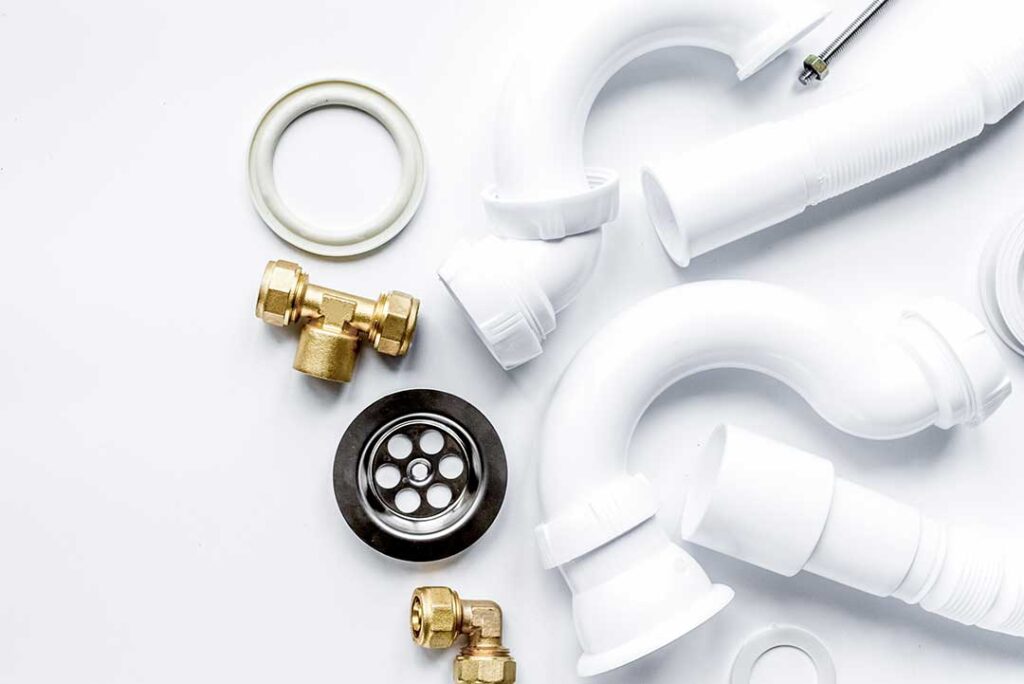
A sewage-like odor may come from the drain rather than the water. This is common when a sink’s trap has dried out, allowing sewer gases to enter the room. A drain can also collect organic material beneath the stopper or around the overflow opening, creating a foul smell that seems to come from the faucet.
To check, fill a clean glass from the faucet and carry it away from the sink. Smell the water in another room. If the odor disappears away from the fixture, the drain or sink area may be responsible.
If the water itself smells strongly after being poured into a clean glass, the problem may involve the faucet, supply piping, water heater, or incoming water. Avoid using water that has a strong sewage-like odor for drinking or cooking until the source is understood.
What causes a musty, earthy, or fishy smell?
Musty, earthy, or fishy odors can result from naturally occurring organic compounds, algae-related compounds in source water, bacterial activity, or material collecting inside plumbing. The smell may become more noticeable after periods of low use, warmer weather, or changes in the water supply.
A dirty faucet aerator is an overlooked cause. The small screen at the end of the faucet can trap sediment and organic particles. Removing it, cleaning it, and flushing the faucet line may resolve an odor limited to one fixture.
If the odor affects multiple fixtures, cleaning one aerator will not solve the underlying problem. In that situation, compare hot and cold water and consider whether the smell is present in water that has been collected in a clean container.
Why does my water smell like chlorine or chemicals?
A mild chlorine smell can occur when disinfected public water reaches a home. The odor may be more noticeable after water has been sitting in household pipes or when water use patterns change.
A strong chemical, solvent-like, gasoline-like, or petroleum-like odor is different. Do not drink or cook with water that smells like fuel, solvents, paint thinner, or another unfamiliar chemical. Do not try to mask the odor by boiling the water, because boiling does not make every chemical contaminant safe and may concentrate some substances.
Use bottled water temporarily and investigate the source, especially if the smell began suddenly or appears at more than one fixture. Chemical odors can originate from a nearby spill, plumbing materials, a storage tank, treatment equipment, or an issue outside the home.
Why does only the first glass smell bad?
Water that sits in pipes for several hours can absorb odors from plumbing materials or develop a stale taste. This is more likely in rarely used bathrooms, guest rooms, seasonal areas, or sections of a home with low water flow.
Run the cold water until it becomes consistently cool, then check the odor again. If the smell clears quickly and does not return during normal use, stagnant water may be the explanation.
However, repeated flushing is not a substitute for testing when the odor is strong or persistent. A recurring smell may indicate a problem with a water heater, well system, treatment device, or a section of piping.
What should private-well households check?
Private wells can develop odor problems related to naturally occurring sulfur compounds, iron bacteria, groundwater conditions, or changes in the well system. A well owner may notice an odor after heavy rainfall, a long period of low use, work on the well equipment, or changes in water pressure.
Testing should include the well water itself and, when useful, a comparison sample from inside the home. This can show whether the odor begins at the source or develops after water enters the plumbing.
Well owners should also pay attention to related signs such as:
- Black or gray staining around fixtures
- Orange or reddish deposits
- Cloudiness that does not clear
- A sudden change in taste or pressure
- Odor changes after water treatment equipment operates
Treatment decisions should follow test results. Installing a filter without identifying the cause may reduce one symptom while leaving the underlying issue unresolved.
Can an old water heater cause bad-smelling water?
Yes. A water heater can create sulfur odors when conditions inside the tank allow certain bacteria to react with the heater’s anode rod. The odor may affect hot water only, while cold water remains normal.
Other water-heater clues include rusty hot water, popping or rumbling sounds, inconsistent temperature, or an odor that becomes stronger after periods of low use. Do not open or disassemble a water heater without understanding the electrical, gas, pressure, and scalding hazards involved.
If the odor is limited to hot water, the heater deserves attention before the entire home’s plumbing is treated.
When is bad-smelling water a health concern?
An odor does not always mean the water is dangerous, and odor-free water is not automatically safe. Some contaminants have no noticeable smell, while harmless compounds can smell unpleasant at very low concentrations.
Use extra caution when:
- The odor appeared suddenly and affects multiple fixtures
- Water is discolored, oily, cloudy, or leaves an unusual residue
- Household members develop gastrointestinal symptoms after drinking the water
- The smell resembles fuel, solvents, pesticides, or sewage
- A private well has been flooded or damaged
- Plumbing work, construction, or a water-system change occurred recently
In these situations, use an alternate safe water source and obtain appropriate water testing. Children, older adults, pregnant people, and anyone with a weakened immune system may warrant a more cautious approach.
A practical first check
Start with four observations: which faucets are affected, whether the smell is in hot water or cold water, whether it clears after flushing, and whether the odor remains in a clean glass away from the sink.
Write down when the smell occurs and any changes in color, taste, pressure, or water-heater performance. That information can make testing more useful and can help distinguish a drain odor, a fixture problem, a water-heater issue, and a broader water-supply concern.