

 See My Latest Article on HelloNation
Plumbing problems rarely begin as dramatic emergencies. More often, a faucet starts dripping, a drain slows down, or a toilet needs repeated attention. Knowing which signs can wait and which require prompt action helps protect the home from water damage, sanitation problems, and more expensive repairs.
Which plumbing problems require immediate attention?
Call a plumber promptly when water is actively damaging the home, a drain cannot be cleared safely, or there is a risk to health or household safety. Waiting can allow a small leak to spread behind walls, beneath flooring, or into structural materials.
Urgent warning signs include:
- A burst pipe or rapidly spreading leak
- Water pooling near electrical outlets, appliances, or the electrical panel
- A sewage backup or wastewater rising from a drain
- No water throughout the home without a known utility interruption
- A gas odor near a gas-fired water heater or plumbing appliance
- A water heater that is leaking heavily, releasing steam, or making unusual popping sounds
- A frozen pipe that may have cracked
- A ceiling, wall, or floor that is suddenly bulging, staining, or becoming soft
If water is near electricity, avoid touching switches or standing in the water. Shut off the main water supply if it can be done safely, and leave the area if there is a gas odor or another immediate hazard.
How can a homeowner tell whether a leak is serious?
A leak is more concerning when it is hidden, continuous, or close to building materials. A small drip into a sink is different from moisture inside a wall or under a finished floor.
Signs of a hidden or worsening leak may include:
- A water meter that moves when all fixtures are turned off
- Unexplained increases in water use
- Damp cabinets, swollen flooring, or peeling paint
- Musty odors near walls, closets, or utility areas
- Water stains that continue to grow
- The sound of running water when no faucet or appliance is operating
- Mold-like spotting or persistent humidity in one area
A visible leak under a sink may sometimes be isolated by closing the fixture’s shutoff valve. If the valve does not work, the leak continues, or the source is unclear, professional diagnosis is appropriate. Replacing a visible washer or tightening a connection may not solve the problem if corrosion or concealed pipe damage is involved.
When is a slow drain more than a minor inconvenience?
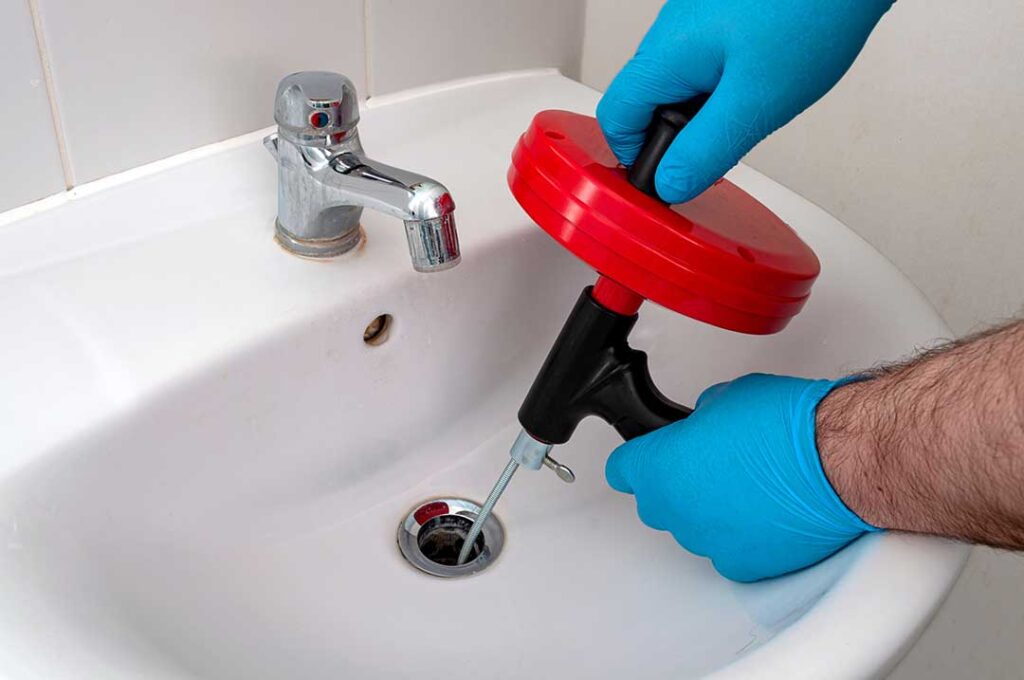
A single slow drain is often caused by a localized buildup of hair, soap, grease, or food debris. A slow drain becomes more significant when several fixtures are affected or when wastewater backs up into another fixture.
Professional attention is advisable when:
- Multiple drains slow down at the same time
- A toilet gurgles when a sink, tub, or washing machine drains
- Water rises in a shower when another fixture is used
- Drain odors return after cleaning
- A plunger no longer improves the problem
- The same drain repeatedly clogs
- Wastewater backs up through a floor drain or lower-level fixture
These symptoms can point to a blockage farther into the drain system rather than a simple obstruction near the fixture. Repeated use of chemical drain cleaners may damage certain piping materials, create hazardous fumes, and make later work more difficult. Mechanical clearing or inspection is generally safer when the cause is uncertain.
What does a toilet problem usually mean?
A toilet that runs briefly after flushing may need a simple adjustment, but constant running wastes water and can indicate a worn flapper, fill valve, or float mechanism. A toilet that rocks at the base, leaks around the floor, or repeatedly clogs deserves closer attention.
A plumber should evaluate a toilet when:
- It clogs frequently despite normal use
- The bowl water level changes without flushing
- Water appears around the base
- The toilet rocks or shifts
- It gurgles when other fixtures drain
- There is a sewage smell that does not come from a dirty bowl
- The tank or bowl is cracked
A loose toilet may damage the floor beneath it over time. A recurring clog can also indicate a restriction in the drain line, especially in older homes or homes with mature landscaping near underground piping.
When should a water heater be inspected?
Water heaters often show warning signs before they fail. A small amount of water around the base, inconsistent hot water, rusty water, or loud popping sounds should not be ignored.
Inspection is warranted when:
- Hot water runs out much faster than usual
- Water temperature fluctuates unexpectedly
- The unit leaks from the tank or connections
- Hot water has a rusty, metallic, or unusual odor
- The heater makes rumbling, popping, or banging sounds
- The temperature and pressure relief pipe discharges water
- The unit is approaching or beyond its expected service life and shows performance changes
Do not attempt to open, disconnect, or relight equipment if there is a gas odor, visible scorching, or uncertainty about the controls. A leaking tank generally cannot be repaired by tightening a connection because the tank itself may be deteriorating.
Are low water pressure and poor flow plumbing emergencies?
Low pressure is not always an emergency, but a sudden or widespread change deserves investigation. A problem affecting only one faucet may involve an aerator or fixture valve. Low flow throughout the home may indicate a closed valve, a failing pressure-reducing component, mineral buildup, a leak, or a problem with the incoming service line.
Older housing stock can have a mixture of pipe materials and past repairs, which makes the location and condition of the restriction important. In colder months, unheated spaces such as crawlspaces, exterior walls, and utility areas also deserve attention because freezing conditions can reduce flow before a pipe fails.
What should Westport, CT residents watch for seasonally?
Cold weather increases the risk of frozen pipes in exposed or poorly insulated areas. Before freezing conditions, disconnect outdoor hoses, protect vulnerable piping, and keep heated areas around plumbing accessible. If a faucet suddenly produces little or no water during a freeze, treat it as a possible frozen pipe rather than forcing the handle or using an open flame.
Heavy rain and saturated ground can also reveal drainage or groundwater issues in lower levels. Water entering through a foundation wall is not always a plumbing leak, but plumbing fixtures, floor drains, sump systems, and underground piping may need to be evaluated together to identify the source.
During extended periods away from home, shutting off the main water supply can reduce the chance of major damage, particularly if the property will be unheated or unattended during freezing weather.
Which plumbing tasks are reasonable for a homeowner?
Basic maintenance is generally appropriate when the source is visible and the risk is low. Homeowners may clean faucet aerators, remove accessible drain debris, replace a worn toilet flapper, or tighten a loose supply connection carefully.
Professional help is more appropriate when the work involves:
- Hidden pipes or finished walls and floors
- Main water or sewer lines
- Gas-fired equipment
- Water near electrical systems
- Persistent leaks or recurring clogs
- Pipe freezing or suspected bursting
- Backflow, sewage, or contaminated water
- Work requiring permits or compliance with local plumbing requirements
The key distinction is whether the problem is isolated and understood. If the same symptom keeps returning, the visible fixture may only be showing the effects of a deeper issue.
How can a homeowner decide whether to wait?
A useful rule is to consider three questions: Is water escaping? Is wastewater moving in the wrong direction? Could waiting damage the home or create a safety risk?
A minor drip from a faucet may be monitored briefly, but a leak inside a wall should not be postponed. A slow bathroom sink may be manageable for a short time, while several gurgling drains or sewage odors suggest a system-wide problem. When the source cannot be identified or the condition is getting worse, early evaluation usually provides more information and fewer complications than waiting for a complete failure.