

 See My Latest Article on HelloNation
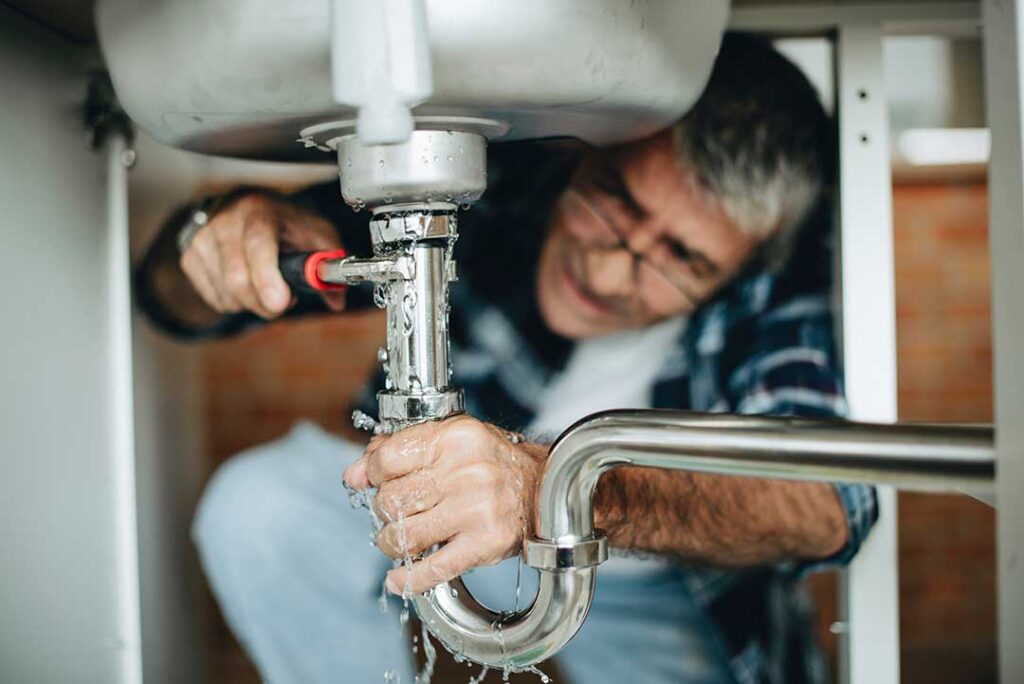
Why water leaks are easy to miss
A water leak may be obvious, such as a dripping faucet or a burst supply line, but many leaks begin behind walls, beneath floors, or under landscaping. The earliest signs are often changes in water use, damp odors, staining, or sounds that seem out of place.
In older homes, additions, finished basements, and properties with long underground service lines, a small leak can remain unnoticed for weeks or months. Water may travel along framing or plumbing before appearing far from the actual source.
Common warning signs include:
- An unexplained increase in the water bill
- A water meter that moves when all fixtures are off
- Damp or discolored ceilings, walls, or flooring
- Peeling paint, bubbling wallpaper, or warped trim
- Musty odors near cabinets, basements, or crawl spaces
- Mold or mildew in an area that should stay dry
- The sound of running water when no fixture is being used
- Low water pressure that develops gradually
- Frequently damp soil near the foundation or water service entry
A single sign does not always prove there is a plumbing leak. Condensation, roof water, groundwater, and poor ventilation can create similar symptoms. The pattern and location provide useful clues.
How can a homeowner check for a hidden leak?
The simplest first test is to observe the water meter during a period when no water is being used. Turn off faucets, washing machines, dishwashers, ice makers, irrigation controls, and other water-using equipment. Avoid flushing toilets during the test.
Record the meter reading, wait at least 30 minutes, and check it again. If the reading changes, water is probably moving through the plumbing system. For a more sensitive test, leave the water unused for two hours or overnight.
Some meters have a small leak-detection indicator that moves even when the main reading appears unchanged. A slowly rotating indicator often points to a small continuous leak, such as a toilet valve, while a faster change suggests greater water movement.
This test does not identify the exact location. It only helps determine whether water is passing through the household plumbing when it should not be.
Which household fixtures commonly leak?
Toilets are among the most frequent sources of hidden indoor water loss. A worn flapper, faulty fill valve, or improperly adjusted tank can allow water to flow silently into the bowl.
To test a toilet, place a few drops of food coloring in the tank and wait about 10 to 15 minutes without flushing. If colored water appears in the bowl, the tank is leaking into the fixture. The dye should not be left in the tank for an extended period because it can stain some surfaces.
Other common sources include:
- Faucet cartridges, washers, and supply connections
- Flexible hoses beneath sinks
- Dishwasher and washing machine connections
- Refrigerator water lines
- Water heater fittings and pressure-relief components
- Tub and shower valves
- Outdoor spigots and hose connections
- Sump pump discharge or condensate lines that are mistaken for plumbing leaks
Cabinet floors should be checked with a dry paper towel. A towel can reveal a slow drip more clearly than a quick visual inspection. Look around shutoff valves, compression fittings, drain connections, and the point where pipes enter the wall.
How do you trace a leak behind a wall or ceiling?
A visible stain usually marks where water collected, not necessarily where the leak began. Water can travel downward along pipes, joists, insulation, or drywall seams before forming a spot.
Start by identifying what is located directly above and near the stain. A bathroom, laundry area, kitchen, attic plumbing, or heating equipment may provide a likely source. Notice whether the mark grows after using a particular fixture or after heavy rain. A leak that appears only after showering may have a different cause from one that follows rainfall.
A moisture meter can help identify damp areas behind some wall and ceiling materials, although readings can be affected by metal fasteners, insulation, and building materials. Removing wall or ceiling materials should be done carefully, especially around electrical wiring.
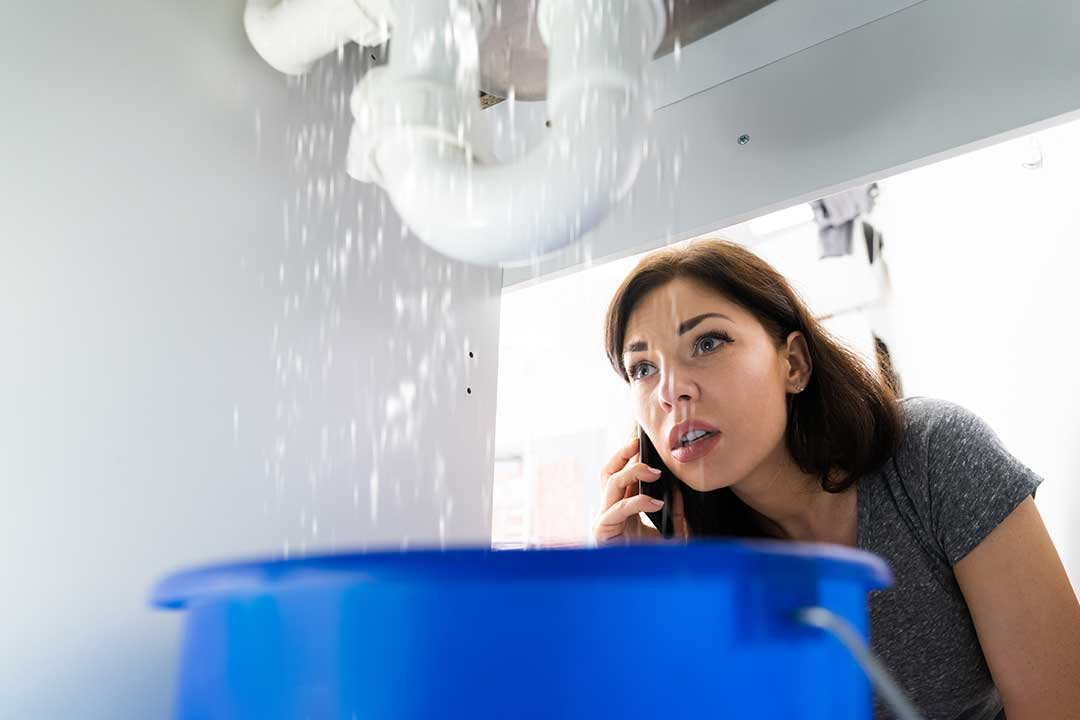
Do not assume that a dry surface means the problem has stopped. Water can enter framing and remain hidden while the visible area temporarily dries.
What can outdoor conditions reveal?
The grounds around a home can provide clues about underground leaks. A section of lawn that stays unusually green, soft, or muddy during otherwise dry weather may be receiving water from a buried pipe. Depressions in soil, persistent puddles, or erosion near the foundation also deserve attention.
In Westport, seasonal changes can make outdoor leak detection more difficult. Frozen ground may conceal a problem during winter, while spring thaw, heavy rain, and changing groundwater levels can create damp conditions unrelated to a broken water line. Comparing one area with nearby portions of the property is more useful than judging soil moisture by itself.
An outdoor spigot should be checked after winter weather. A freeze-damaged pipe may leak inside the wall when the valve is opened, even if the spigot itself looks normal. Water should be shut off to vulnerable exterior fixtures before freezing conditions when the plumbing arrangement allows it.
How can you tell a plumbing leak from condensation or rainwater?
Condensation usually forms on cold pipes, toilet tanks, or uninsulated surfaces during humid weather. It tends to appear as a thin film or scattered droplets rather than a concentrated trail. Improving air circulation, reducing indoor humidity, or insulating a cold pipe may reduce condensation.
Rain-related moisture often follows storms and may appear around roof penetrations, chimneys, windows, foundation walls, or basement corners. Plumbing leaks are more likely to respond to fixture use, water pressure, or continuous meter movement.
The timing of the moisture is useful:
- Appears after rain: investigate exterior water entry.
- Appears after bathing: check shower plumbing, caulking, and nearby supply lines.
- Appears after flushing: inspect the toilet and its connection.
- Appears continuously: check for a pressurized supply leak or a fixture that is constantly refilling.
- Appears only during heating or cooling: consider condensation or equipment drainage.
These patterns are not absolute, but they help narrow the search.
What should be done when a leak is found?
For an active leak, close the nearest fixture shutoff valve if it is accessible. If water is spreading quickly or the source cannot be isolated, shut off the home’s main water supply. Electricity should be treated as a serious hazard if water is near outlets, electrical panels, appliances, or wiring.
Photographing the affected area and noting when the moisture appeared can help distinguish a recurring problem from a one-time incident. Wet materials should be dried promptly to reduce damage and discourage mold growth. Porous materials that remain wet for an extended period may require removal, particularly in enclosed areas with limited airflow.
A plumbing leak involving a water heater, concealed piping, sewage, contaminated water, or an electrical hazard requires added caution. Repairs involving structural materials, gas appliances, or regulated work should follow applicable safety and building requirements.
How can leaks be prevented?
Routine checks are more effective than waiting for a visible stain. Once or twice a year, inspect exposed piping, under-sink cabinets, toilets, water heaters, washing machine hoses, and exterior spigots. Check the water meter during a quiet period to establish a household baseline.
Replace visibly deteriorated hoses and fittings before they fail. Keep shutoff valves accessible and label the main water valve so it can be found quickly. During extended absences, consider shutting off the main supply if the home’s plumbing and heating systems can safely be left without water pressure.
The most useful habit is noticing change. A new sound, a damp smell, a toilet that cycles by itself, or a water bill that rises without a change in household use can provide an early warning—before a small leak becomes hidden damage.