

 See My Latest Article on HelloNation
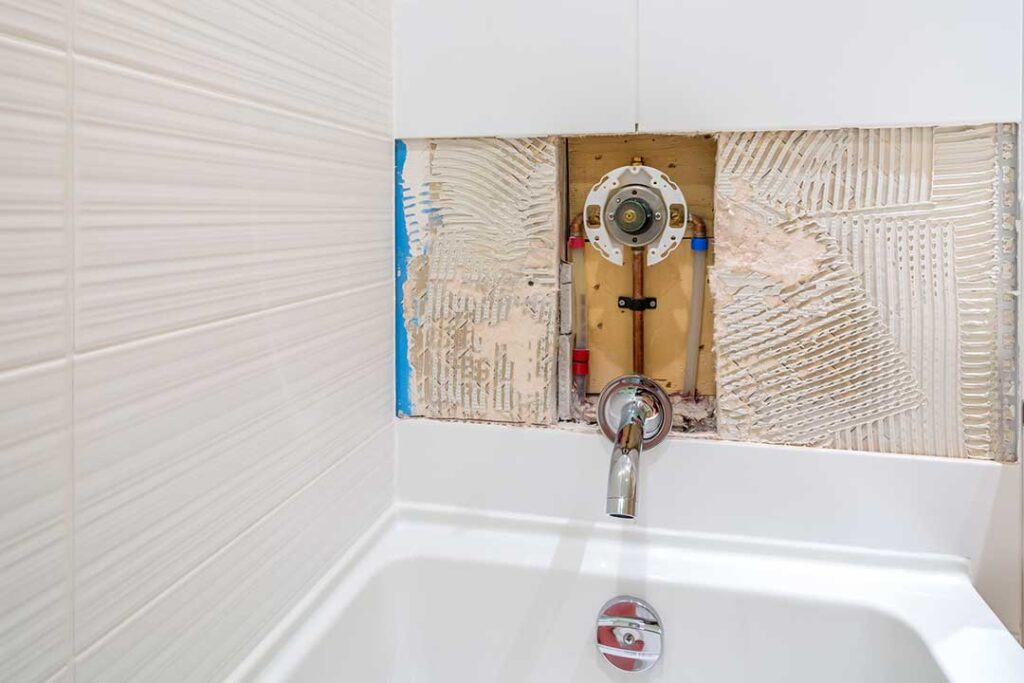
A clogged sink is often caused by food particles, grease, soap residue, hair, or a buildup inside the drain trap. Many minor blockages can be cleared safely at home with a few basic tools, provided the water is not contaminated and the drain system shows no signs of a larger plumbing problem.
What should be checked before trying to clear the sink?
Start by identifying whether the problem affects one sink or several fixtures. A single slow or blocked sink usually points to a nearby drain obstruction. If multiple sinks, tubs, or toilets are draining slowly, the issue may be farther into the household drain system.
Remove standing water with a cup or small container if the basin is full. This makes the work less messy and allows plunging or cleaning to work more effectively.
Before using any method, check for:
- A visible object blocking the drain opening
- Food scraps or hair around the stopper
- A second basin backing up when the first one is used
- Gurgling sounds from nearby fixtures
- Water leaking beneath the sink
- A strong sewage odor
Do not mix drain-cleaning chemicals. Combining products can create toxic fumes or cause a dangerous reaction. Chemical drain openers can also damage some plumbing components and create a hazard if the trap later needs to be removed.
Can boiling water unclog a sink?
Boiling or very hot water can help soften grease and dissolve some soap residue, especially in a kitchen sink. It is less effective against solid objects, thick food buildup, hair, or a blockage located well beyond the trap.
For a kitchen sink, heat water in a kettle or pot and pour it slowly down the drain in two or three stages. Pause between pours so the heat has time to work. If the sink has plastic piping, avoid pouring a large volume of vigorously boiling water all at once. Very hot water can soften certain plastic components or place unnecessary stress on older connections.
This method is not appropriate for every situation. Avoid it if the basin, drain, or nearby piping is already damaged, or if standing water may contain chemical drain cleaner.
How does a sink plunger work?
A sink plunger can clear a blockage by creating pressure that moves the obstruction back and forth inside the drain. A flat-bottomed sink plunger works better for a basin than a toilet plunger, which is shaped for a different type of drain opening.
Use the following steps:
1. Add enough water to cover the bottom of the plunger cup.
2. If the sink has an overflow opening, cover it with a damp cloth.
3. For a double-basin kitchen sink, seal the second drain with a stopper or cloth.
4. Center the plunger over the drain.
5. Press down gently at first to form a seal, then plunge firmly 10 to 15 times.
6. Lift the plunger and check whether the water drains.
7. Repeat several times if the water level is slowly improving.
A good seal matters more than extreme force. Aggressive plunging can loosen older drain connections or push water into places where it may cause a leak.
What can be removed from the drain opening?
If the blockage is near the top of the drain, remove the stopper and inspect the opening with a flashlight. Bathroom sinks commonly collect hair, toothpaste residue, and soap film just below the stopper. Kitchen sinks may collect food particles, grease, and small pieces of packaging.
Use a plastic drain tool, a bent wire designed for drain use, or long-nose pliers to pull out visible material. Work slowly so the obstruction does not fall farther into the pipe. Wear gloves and clean the stopper before reinstalling it.
Some bathroom sink stoppers are attached to a pivot rod beneath the basin. If the stopper will not lift out from above, look under the sink for the horizontal rod connected to the drainpipe. Loosening the retaining nut may allow the stopper to be removed for cleaning. Place a small container beneath the connection before loosening anything.
Should the drain trap be cleaned?
The curved pipe beneath a sink, called the trap, is designed to hold water and block sewer gases. It can also collect debris. Cleaning the trap is often effective when plunging does not work and the blockage is located directly beneath the basin.
Place a bucket and towels under the trap. Loosen the slip nuts carefully by hand or with adjustable pliers. Some older fittings may be tight or corroded. Remove the trap, empty its contents into the bucket, and rinse it thoroughly. Inspect the washers before reassembling the connections.
Tighten the fittings firmly but do not overtighten them. Run water slowly and check every connection for drips. A small leak may appear only when the sink is draining, so inspect the area for several minutes.
Do not remove the trap if chemical drain cleaner has been poured into the sink. Residual chemicals can splash onto skin or eyes.
Can baking soda and vinegar clear a blocked sink?
Baking soda followed by vinegar may loosen light residue, but it is not a reliable solution for a solid obstruction. The fizzing action can help break up a small amount of buildup, but it generally will not remove a dense grease plug, compacted food, or a mass of hair.
If no chemical drain cleaner is present, pour a small amount of baking soda into the drain, followed by vinegar. Cover the opening briefly, then flush with warm water. Avoid using this method if the sink contains standing water that may overflow, or if the plumbing is already leaking.
A plunger or manual cleaning is usually more effective because it physically moves or removes the blockage.
When should a sink blockage be treated as a larger plumbing problem?
A sink may need further investigation when basic methods do not restore normal drainage. Warning signs include:
- Several fixtures drain slowly at the same time
- Water backs up into another basin or tub
- The drain repeatedly clogs after temporary improvement
- The sink makes loud gurgling noises
- Wastewater has a sewage smell or unusual color
- Water leaks from a wall, ceiling, cabinet, or floor
- The drain is completely blocked and resists plunging and trap cleaning
Older homes and houses with mature trees may have drainage conditions that are not visible beneath the sink. Seasonal cooking, holiday gatherings, and increased indoor activity during colder weather can also add grease and food residue to kitchen drains. In coastal communities such as Westport, moisture and age can contribute to corrosion around older metal fittings, making forceful disassembly more likely to cause damage.
If wastewater may contain chemical cleaner, avoid plunging, trap removal, or other hands-on work. Keep children and pets away from the area and follow the product’s safety instructions.
How can future sink clogs be reduced?
Preventing a blockage is usually easier than clearing one. In the kitchen, scrape food into the trash or compost before rinsing dishes, and avoid pouring cooking grease, oils, or thick sauces down the drain. A sink strainer can catch food particles, but it should be emptied regularly.
In the bathroom, clean the stopper every few weeks and remove hair before it enters the drain. Run warm water after using toothpaste, shaving products, or soap-heavy products. Do not flush wipes, cotton swabs, paper towels, or other unsuitable materials through a sink.
Routine cleaning with warm water and a small amount of dish soap can reduce residue, but prevention works best when solid materials and grease are kept out of the drain in the first place.